In our cities, there are essential activities that make daily life possible. These are tasks that support the elderly, assist those experiencing vulnerability, sustain neighborhood networks, facilitate coexistence, and strengthen collective well-being. However, they often remain invisible. These are caregiving activities . The project “Youth Promoting Care Initiatives in Tetuán ,” developed between December 2024 and March 2026 by the NGO Prodiversa and the Espacio Geranios Association, with funding from the Madrid City Council and the active participation of the Padre Piquer Training Center, focused precisely on this reality.
The initiative was born from a simple yet profound conviction: care is not only an individual or family responsibility, but an essential element for the sustainability of life and the building of more inclusive, cohesive, and just communities . From this perspective, the project invited teachers, students, social organizations, and residents of the Tetuán district to reflect collectively on how care is provided, who provides it, and what role new generations can play in building a more co-responsible society.
The project worked directly with teachers from the Department of Sociocultural and Community Services and with students from the Social Integration and Care for Dependent Persons vocational training programs at the Padre Piquer Training Center. A total of 261 people participated directly, 165 of whom were women and 96 men. They were joined by a broad educational, social, and neighborhood community, ultimately reaching more than 30,323 people through in-person activities and digital awareness campaigns, far exceeding the project’s initial projections. The project also strengthened the capacities of 12 social organizations in the district working in the areas of care and community action.
Learning to Care from the Ground Up:
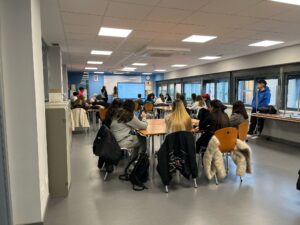
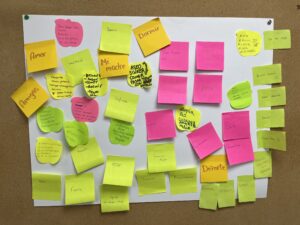
The first phase of the project focused on training. Teachers participated in a course on participatory methodologies, the pedagogy of care, and service-learning , acquiring tools to incorporate these topics into their educational practice. Simultaneously, students delved into the analysis of care from a community perspective , reflecting on issues such as co-responsibility, aging, social inclusion, urban accessibility, cultural diversity, and the sustainability of life.
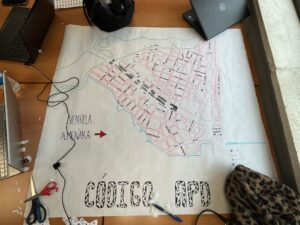
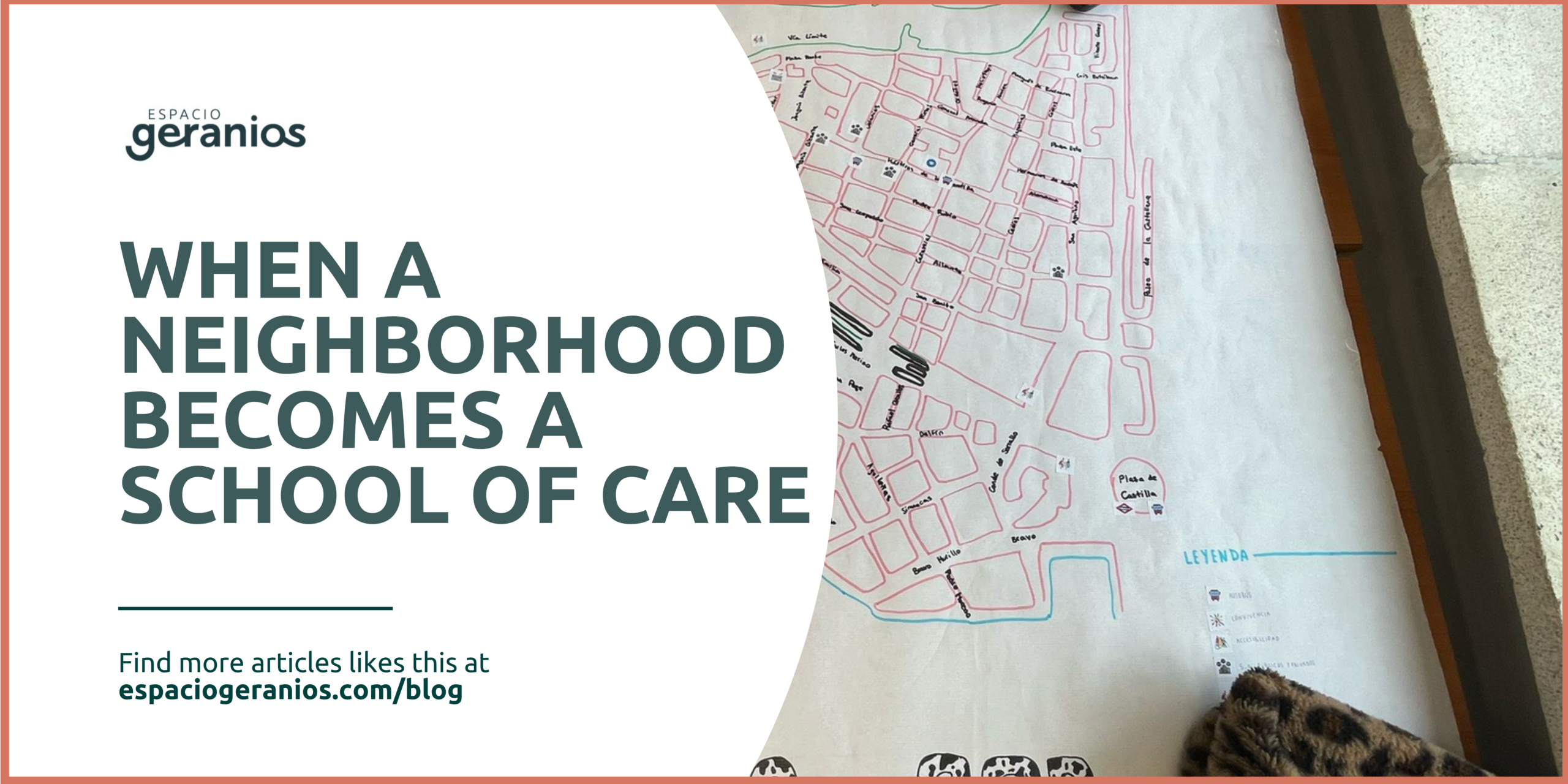
Subsequently, the project moved beyond the classroom to engage with the neighborhood. Through service-learning processes, collective mapping, and participatory research, the students explored different neighborhoods in the Tetuán district, interviewed residents, visited social organizations, and analyzed existing community resources. Through this work, they discovered a reality that often goes unnoticed: behind the daily functioning of a neighborhood lies an extensive network of people, organizations, and spaces that care for, support, and generate collective well-being.
This process involved organizations and groups with extensive community experience , allowing students to learn about real-world examples of social intervention and mutual support. Learning ceased to be purely academic and became a hands-on experience of engaging directly with the needs, challenges, and strengths present in the community.
From Diagnosis to Audiovisual Creation:
One of the most innovative aspects of the project was the use of audiovisual language as an educational tool and a means of social transformation . With the support of the Barriometrajes collective, the students received training in recording, interviewing, audiovisual storytelling,and participatory production.
Based on research conducted in the district, the teams produced six mini-documentaries that portray diverse realities, challenges, and experiences related to care in Tetuán. These productions addressed topics such as accessibility, multiculturalism, unwanted loneliness, active aging, homelessness, coexistence, and community support networks present in the district. Each documentary brought to light stories, experiences, and resources that typically remain hidden, transforming the voices of residents, organizations, and local groups into tools for raising awareness, reflectio, and community recognition.
Beyond its audiovisual outcome, the process strengthened the students’ personal and professional skills, promoting empathy, active listening, critical thinking, collaborative work, and commitment to the social reality of their environment .
A project that sparked conversation about care.
The final phase of the project focused on sharing the lessons learned with the community. To this end, a broad online awareness campaign was developed , based on the mini-documentaries and other informational materials created during the intervention. The campaign extended the discussion about care beyond the educational community, reaching thousands of people through social media and digital platforms.
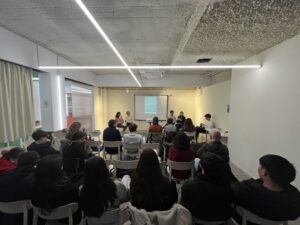
Alongside this, various in-person meeting spaces were organized. Among them were the Mini Care Fair, the screenings and discussions held at the Padre Piquer Training Center, and the “Care Festival in Tetuán,” which brought together students, teachers, social organizations, and local residents to share experiences, discuss challenges, and publicly acknowledge the value of care as a central element of community life. These spaces allowed young people themselves to become awareness agents , sharing the results of their research and promoting an open conversation about the need to build more caring, inclusive and co-responsible communities.
A lasting legacy.
Although the project has ended, many of its results remain present in the region. The methodologies developed, the educational materials generated, the mini-documentaries produced, and the strengthened collaborative networks constitute resources that will continue to be available for future educational and community initiatives.
But perhaps its main legacy lies elsewhere. For over a year, dozens of young people discovered that caregiving is also a way to transform society. They learned that care is not a private or secondary matter, but an essential dimension of collective life. And they understood that neighborhoods are not merely physical spaces where we live, but communities built each day by people who accompany, listen to, support, and sustain others.
Thanks to the commitment of the students, teachers, participating organizations, and the Madrid City Council, the project “Youth Promoting Care Initiatives in Tetuán” has demonstrated that educating for global citizenship also means educating for care. And that when a community learns to recognize the value of care, it takes an important step toward a more humane, equitable, and cohesive society .